 परेवा_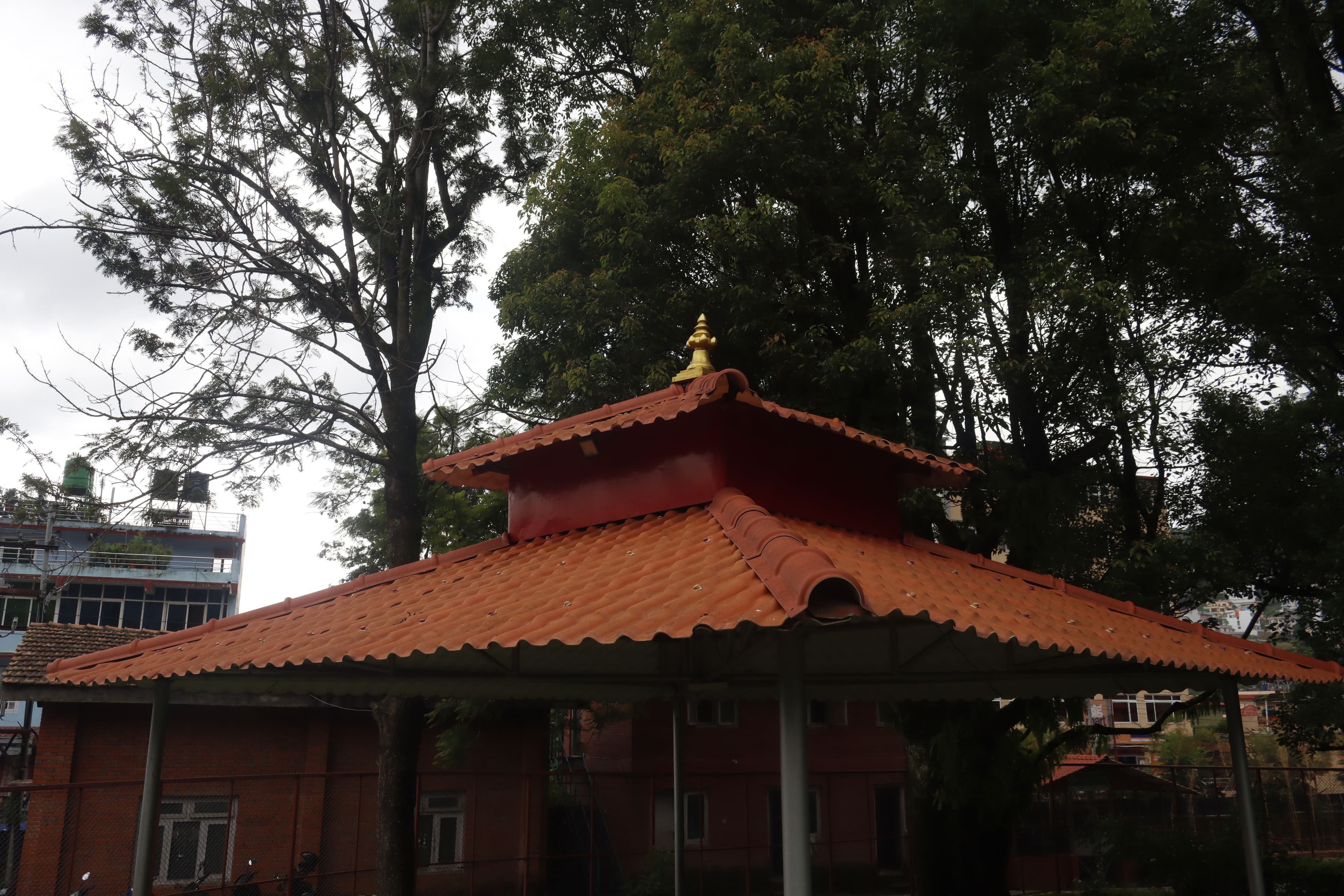
Cultivating peace isn't just about cultivating tranquillity, but rather, it is an effective strategy for resolving conflicts and the key to living a satisfied life.
At its core, peace is just about mutual respect, coexistence, and tolerance. It is about creating spaces where people can actively interact and collaborate with each other by fostering a sense of togetherness and empathy, even when visions and perspectives clash. In Nepali culture, these values emphasise the importance of understanding, compassion, and respectful dialogue.
When we create environments where disagreements can be addressed easily, we can create a sense of tranquillity and respect in our interactions. In the context of school, open communication and listening to one another's perspectives increase the likelihood of successful collaboration. This fosters a supportive and upbeat work environment in addition to increasing productivity.
The principles of peace practice can be understood from the teachings of Gautam Buddha. Buddha's teachings, like proper speech and non-violence (Ahimsa), support understanding above confrontation as a means of resolving conflicts. These teachings serve as the framework for several peace-promoting projects in Nepal. Buddha's emphasis on inner peace as a foundation for harmony is reflected in the fact that Buddhist monasteries are frequently used as mediation and dispute resolution centres.
An example of peace and togetherness could be the trekking culture of Nepal. Trekking and hiking bring various groups of people from various communities together to enjoy the one universal thing, nature. As we revel in nature, we will have created a community, a group, and most importantly, a sense of family. Peace brings us our “found family”. Trekking frequently takes place in group environments where participants support one another, exchange stories, and work together to achieve the same goals. These connections are strengthened, and their mutual understanding is enhanced by this shared adventure. Collaboration and respect are typically practised by trekking groups in areas such as the Himalayas, which enhances the resolution of interpersonal problems. Being at the heart of nature helps individuals understand and appreciate life.
Only by respecting each other and by appreciating the beauty in each other can we cultivate peace. Only by making sure every child, every teen, every adult, and every senior citizen gets their basic human rights can we cultivate peace. When we have built a world with equality and equity, there will be peace in the world.
In summary, to cultivate peace, we must respect each other despite our differences; we must have a strong sense of community and togetherness. We must work together and recognize our shared goals to cultivate peace in our families, communities, countries, and maybe one day our entire world.


